
Therapeutic Parenting In (TPRCC) Residential Child Care
The TPRCC model has been developed from our experiences working as residential practitioners and psychologists in this sector. We understand that traumatised children require continual intervention operating in the space they live and learn — what we call "the other 23 hours".
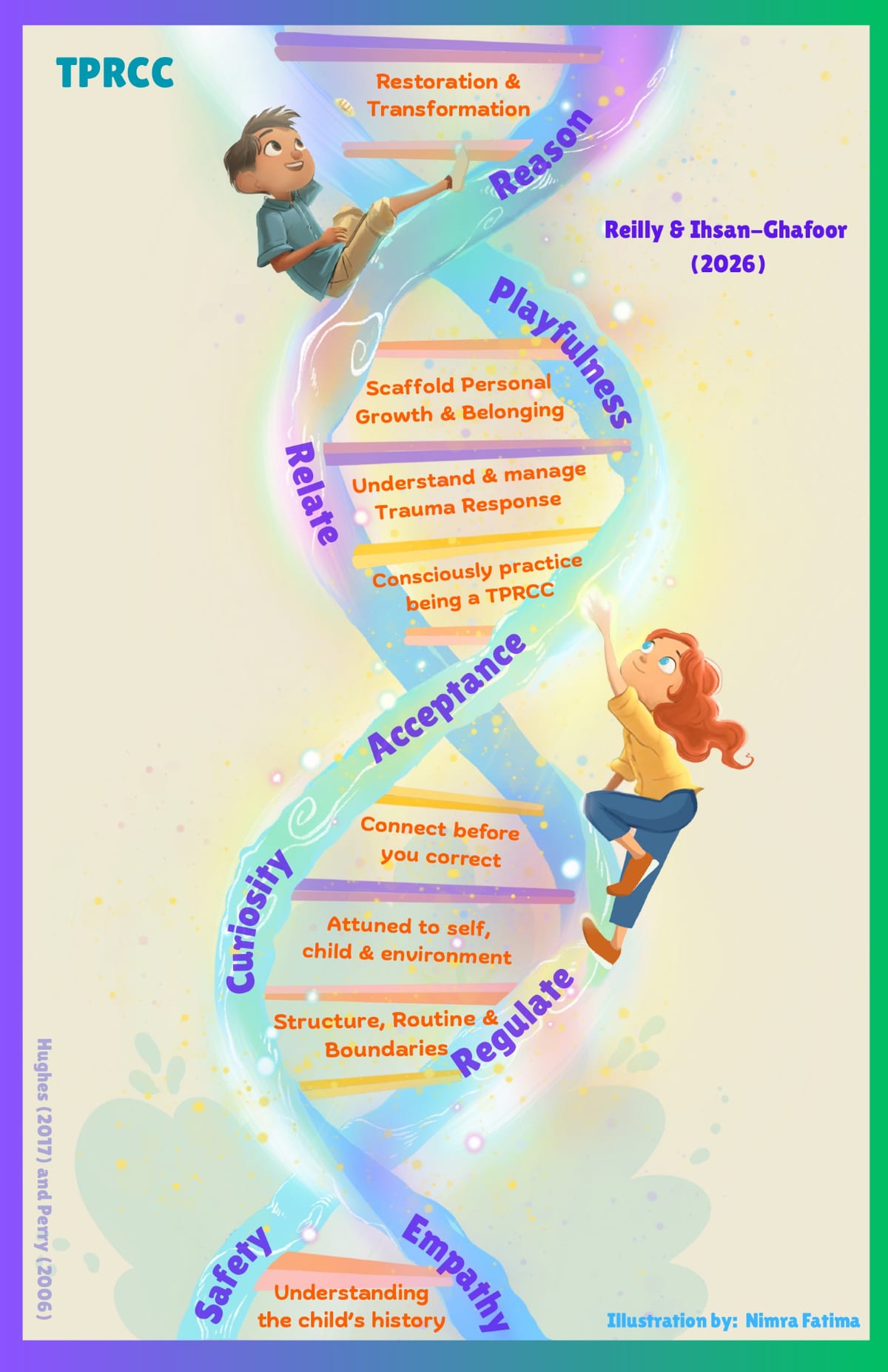
Reilly & Ihsan-Ghafoor (2026)
In association with

What We Provide
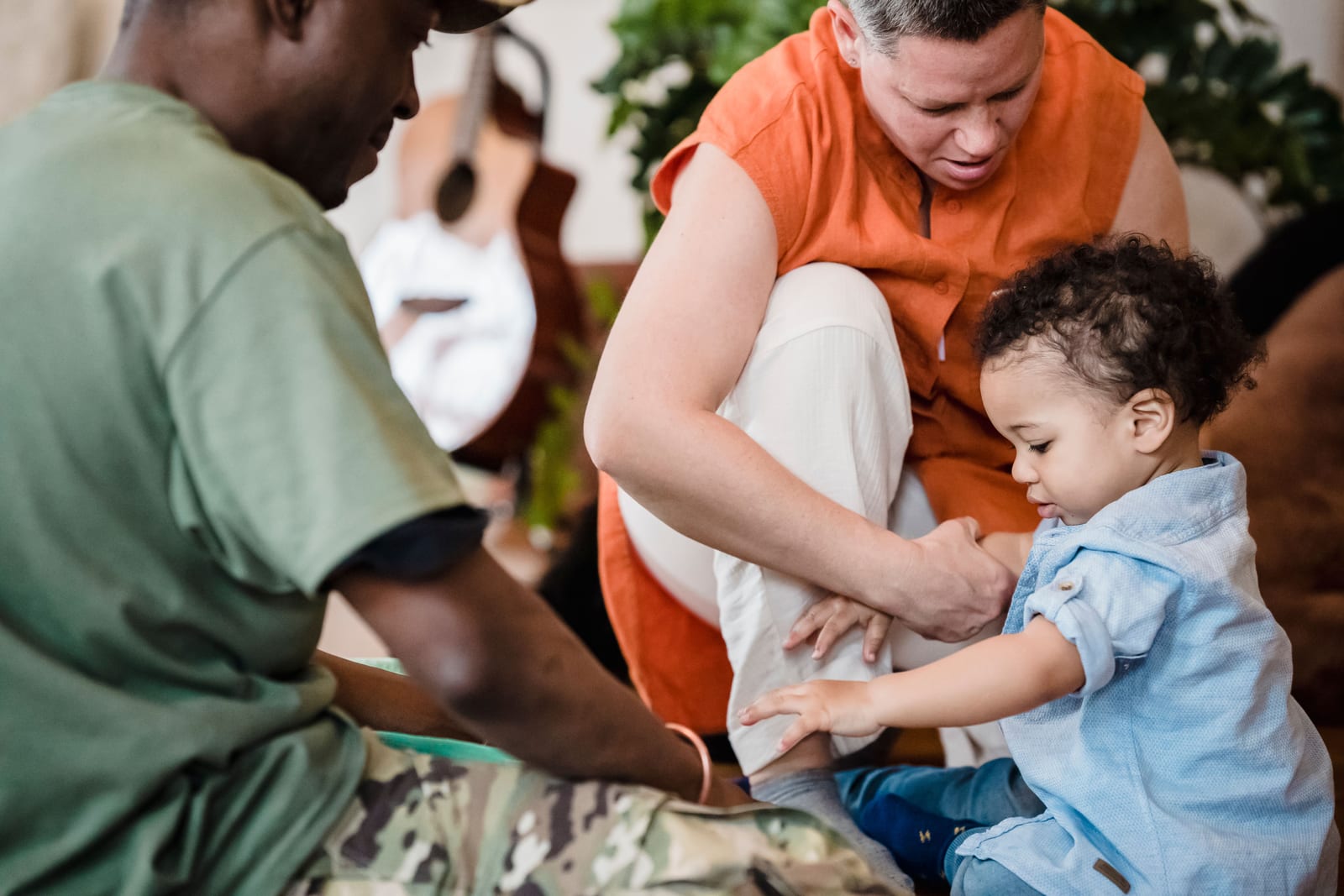
Our Approach
These strands will constantly oscillate depending on what the child needs from you at a given time. The steps through the middle of the DNA represent strategies practitioners apply in practice — from understanding the child's history and trauma, through structure and boundaries, attunement, connecting before correcting, conscious practice, managing trauma responses, and scaffolding personal growth — ultimately restoring the child's genuine self and building lasting resilience.
Who This Is For
Explore Our Other Services
Assessments
Comprehensive, evidence-based assessments for individuals across legal, clinical and organisational settings.
Therapy — Adults & Young People
Individual and systemic therapy for adults and young people across a range of presenting difficulties.
Training & Workshops
Bespoke training and workshop programmes for organisations, residential care teams and educational settings.
Trauma Informed Support
Specialist trauma-informed support for residential children's homes — supporting staff to consciously practice therapeutic care.
Ready to Get Started?
Get in touch to discuss how the TPRCC model can support your team and the children in your care.
Get In Touch